
If you’re searching for how to look younger, you’ve probably seen a flood of promises—expensive creams, drastic procedures, and overnight fixes that rarely deliver. The truth is simpler and more encouraging: looking younger comes down to consistent, science-backed habits that work with your body, not against it. No surgical suite required.
- 1. Wear Broad-Spectrum Sunscreen Every Single Day
- 2. Use a Retinoid to Rebuild Collagen and Smooth Wrinkles
- 3. Add a Vitamin C Serum to Your Morning Routine
- 4. Exfoliate with AHAs or PHAs to Reveal Brighter Skin
- 5. Strengthen Your Skin Barrier to Lock In Moisture
- 6. Drink Enough Water Every Day
- 7. Eat Omega-3-Rich Foods to Keep Skin Supple
- 8. Fill Your Plate with Antioxidant-Rich Fruits and Vegetables
- 9. Cut Back on Sugar to Protect Your Skin’s Collagen
- 10. Consider Collagen Peptide Supplements
- 11. Prioritize 7–8 Hours of Quality Sleep
- 12. Manage Stress Actively
- 13. Exercise Regularly: Cardio and Strength Training Both Matter
- 14. Try Facial Massage to Reduce Puffiness and Improve Circulation
- 15. Quit Smoking and Moderate Alcohol Consumption
- 16. Protect Your Skin from Pollution and Environmental Damage
- 17. Explore Science-Backed Professional Treatments
- 18. Consider At-Home Devices with Real Evidence Behind Them
- How Long Before You See Results?
- Putting It All Together
- Frequently Asked Questions
This guide covers 18 dermatologist-approved and research-supported ways to fight visible aging—from the ingredient proven to rebuild collagen to the daily lifestyle habits that genuinely make a difference. Every tip is practical, evidence-grounded, and achievable at home.
1. Wear Broad-Spectrum Sunscreen Every Single Day
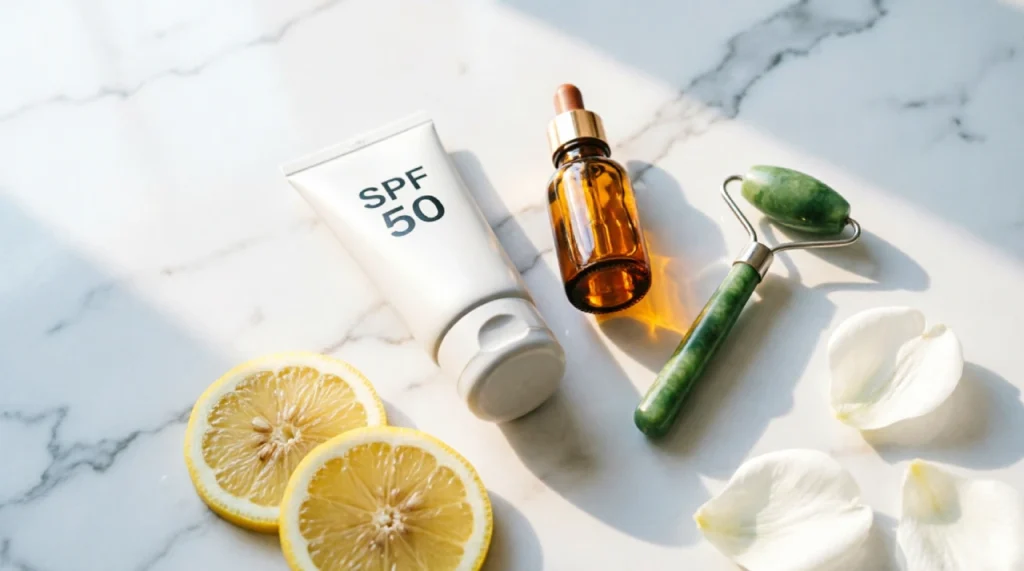
No habit protects your skin more effectively than daily sun protection. Research from the American Academy of Dermatology (AAD) confirms that up to 80% of visible facial aging is caused by UV exposure — not the passage of time itself. Both UVA rays (responsible for deep wrinkling and pigmentation) and UVB rays (responsible for burning) break down collagen and elastin over years of exposure.
Choose a broad-spectrum formula with at least SPF 30. Apply a nickel-sized amount to your face, neck, and hands every morning — even on cloudy days and even when you’re sitting near windows indoors. Mineral sunscreens containing zinc oxide or titanium dioxide offer immediate, stable protection and suit sensitive skin well.
In the United States, “broad spectrum” labeling is regulated by the FDA and guarantees both UVA and UVB coverage. In Europe, look for the UVA-PF circle logo as an additional quality indicator.
For maximum defense, layer a vitamin C serum under your SPF. Clinical studies show that combining topical antioxidants with sunscreen significantly enhances photoprotection by neutralizing free radicals before they can damage collagen.
2. Use a Retinoid to Rebuild Collagen and Smooth Wrinkles
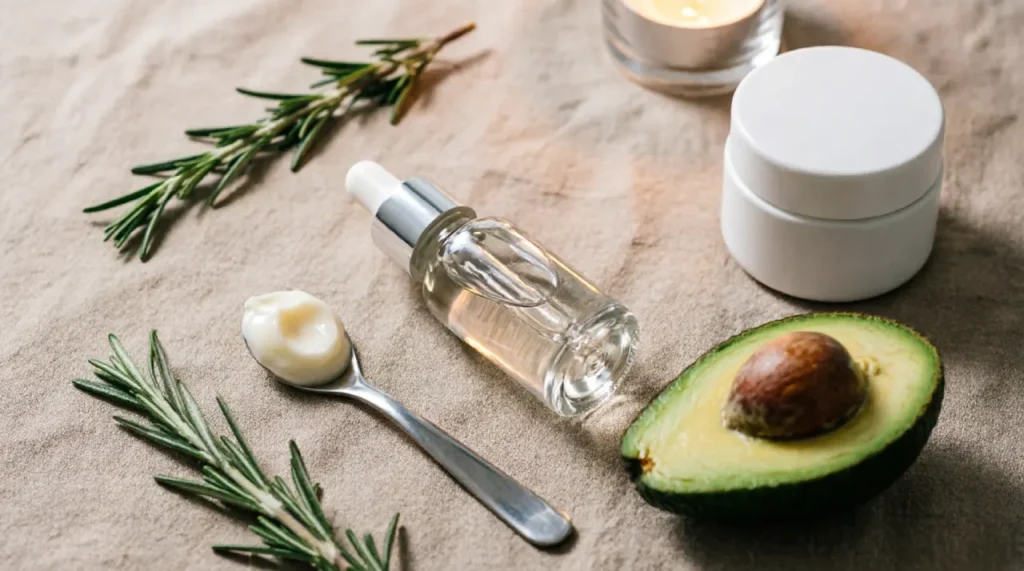
Retinoids — vitamin A derivatives — are the most extensively studied topical anti-aging ingredient that exists. Prescription tretinoin, over-the-counter retinol, and the plant-based alternative bakuchiol all increase cell turnover and stimulate collagen production deep in the skin’s dermis. The result: thicker, firmer skin that visibly softens fine lines and evens out discoloration over time.
If you’re new to retinoids, start with a low retinol concentration (0.25–0.5%) two evenings per week and increase gradually as your skin adjusts. Apply a pea-sized amount after cleansing and follow with a moisturizer to reduce potential irritation. Because retinoids increase UV sensitivity, use them only at night and commit to daily SPF during the day.
Most people begin to see measurable improvement in skin texture and tone after about three months of consistent use. Patience is essential — this ingredient earns its results.
3. Add a Vitamin C Serum to Your Morning Routine
Vitamin C (L-ascorbic acid) is a dual-action anti-aging ingredient: it neutralizes the free radicals that break down collagen, and it actively supports the body’s own collagen synthesis process. It also brightens uneven skin tone and fades existing dark spots with regular use.
Look for serums with 10–20% L-ascorbic acid, stored in opaque or dark glass bottles to prevent the formula from oxidizing. Apply a few drops after cleansing and before moisturizer each morning, then follow with sunscreen. Together, vitamin C and SPF create a powerful defence against both pollution and UV-induced aging.
If your skin is sensitive, a lower percentage or a gentler form such as magnesium ascorbyl phosphate offers similar brightening benefits with significantly less irritation.
4. Exfoliate with AHAs or PHAs to Reveal Brighter Skin
Skin’s natural shedding cycle slows with age, allowing dead cells to pile up. This buildup makes the complexion look dull, uneven, and more lined than it actually is. Regular chemical exfoliation reverses this without the microscopic tearing that physical scrubs can cause.
Alpha-hydroxy acids (AHAs) such as glycolic acid and lactic acid dissolve the bonds between dead skin cells, revealing smoother, brighter skin underneath. Polyhydroxy acids (PHAs) like gluconolactone work similarly but also hydrate as they exfoliate, making them a better choice for dry or sensitive skin types.
Use an exfoliating toner or serum two to three times per week — never on the same evening as a retinoid. Always follow with a moisturizer, and be diligent about sunscreen the next morning, as freshly exfoliated skin is more vulnerable to UV damage.
5. Strengthen Your Skin Barrier to Lock In Moisture
A strong skin barrier keeps moisture in and irritants out — both are critical for a plump, youthful look. As we age, natural levels of ceramides, cholesterol, and fatty acids in the skin decline, leading to increased water loss, sensitivity, and that persistent “tired” appearance that emphasizes every fine line.
Restoring your barrier starts with the right moisturizer. Look for formulas containing ceramides (which rebuild the lipid barrier structure), niacinamide (vitamin B3, which increases ceramide production and calms redness), and hyaluronic acid (which binds up to 1,000 times its weight in water).
Apply hyaluronic acid to slightly damp skin immediately after cleansing, then seal it in with a ceramide-rich moisturizer. Using a bedroom humidifier overnight further supports skin hydration while you sleep. Within days, skin will appear noticeably plumper; over weeks, the barrier itself becomes more resilient.
6. Drink Enough Water Every Day
This is one of the simplest, most overlooked anti-aging habits. Even mild chronic dehydration makes fine lines appear more pronounced, causes skin to look flat and grey, and slows cellular repair processes. Skin that is properly hydrated from the inside looks fuller and reflects light more evenly — both hallmarks of a youthful complexion.
Aim for at least 8 glasses (about 2 litres) of water daily, more if you exercise heavily or live in a hot climate. Herbal teas and water-rich foods like cucumber, watermelon, and celery also contribute to your daily intake. If you want to combine hydration with a broader skin reset, pairing these habits with a plan to glow up in a week naturally can accelerate visible results even further. Consistent hydration alongside a good topical moisturizing routine produces noticeably better results than either approach alone.
7. Eat Omega-3-Rich Foods to Keep Skin Supple

Healthy fats are foundational to the lipid matrix that keeps skin soft, bouncy, and well-moisturized from within. Omega-3 fatty acids — found in salmon, sardines, mackerel, flaxseeds, and walnuts — reduce systemic inflammation, and inflamed skin ages significantly faster. Multiple studies link higher omega-3 intake with improved skin elasticity and fewer visible wrinkles.
Aim for at least two servings of fatty fish per week, or add a tablespoon of ground flaxseed to oatmeal or smoothies daily. If you avoid fish entirely, a high-quality algae-based omega-3 supplement is a proven plant-based alternative. These fats also help the skin retain moisture from the inside, reducing dependence on heavy topical creams over time.
8. Fill Your Plate with Antioxidant-Rich Fruits and Vegetables
Free radicals — unstable molecules produced by UV light, air pollution, and even normal metabolism — attack collagen and elastin fibers in the skin. Antioxidants from food neutralize these molecules before they can cause lasting structural damage.
Berries, dark leafy greens, bell peppers, tomatoes, and sweet potatoes deliver some of the highest concentrations of skin-protective antioxidants: vitamin C, vitamin E, and carotenoids. A study published in the Journal of Clinical and Aesthetic Dermatology found that higher dietary antioxidant intake directly correlated with fewer visible signs of aging in participants.
A practical daily approach: start your morning with a smoothie containing spinach, blueberries, and chia seeds; snack on almonds and dried apricots; and aim to include at least two different coloured vegetables with every main meal.
9. Cut Back on Sugar to Protect Your Skin’s Collagen
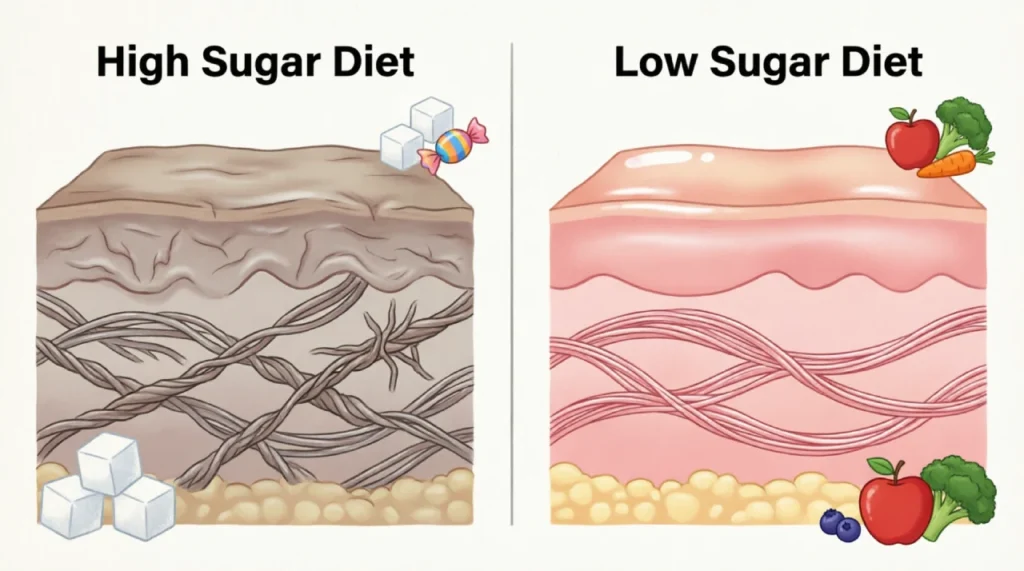
Sugar accelerates aging through a process called glycation. When excess sugar molecules bind to proteins like collagen and elastin in the skin, they form compounds called advanced glycation end-products (AGEs). These make collagen stiff and brittle — the exact opposite of the firm, flexible structure responsible for youthful skin. The result is visible sagging, dullness, and deepened wrinkles.
Reducing added sugar intake is one of the highest-impact dietary changes you can make for your skin. Swap sugary drinks for water or unsweetened herbal tea, choose whole fruits over processed desserts, and check labels carefully — hidden sugars are common in salad dressings, pasta sauces, bread, and low-fat packaged foods. Even a modest reduction helps preserve collagen integrity over the long term.
10. Consider Collagen Peptide Supplements
Natural collagen production begins declining in your mid-20s and continues at roughly 1% per year thereafter. Supplementing with hydrolyzed collagen peptides has attracted serious clinical attention because the evidence is genuinely encouraging. A 2021 meta-analysis published in the journal Nutrients confirmed that daily oral collagen peptide supplements significantly improved skin hydration, elasticity, and wrinkle depth after approximately eight weeks of consistent use.
If you decide to try collagen, look for a powder containing types I and III collagen from grass-fed bovine or marine sources. Mix it into coffee, smoothies, or oatmeal. Pair it with vitamin C-rich foods, which the body requires to actually synthesize new collagen. Importantly, supplements work best as a complement to — not a replacement for — a solid diet and topical routine that includes retinoids.
11. Prioritize 7–8 Hours of Quality Sleep

“Beauty sleep” is backed by genuine science. During deep sleep stages, the body releases human growth hormone, which repairs damaged skin cells and drives collagen synthesis. Cortisol levels also fall, reducing the chronic low-grade inflammation that breaks down skin structure over time. Poor sleep reverses all of this: it dulls the complexion, deepens dark circles, and consistently accelerates visible aging.
To improve sleep quality, maintain a regular bedtime and wake time — even on weekends. Keep your bedroom cool, dark, and screen-free for at least 30 minutes before you sleep. If you tend to sleep on your side or stomach, consider switching to back-sleeping to prevent repetitive compression lines from permanently setting in.
12. Manage Stress Actively
Chronic stress triggers a sustained release of cortisol that directly damages skin. Elevated cortisol degrades collagen, breaks down hyaluronic acid, increases oil production, and impairs the skin barrier. Over months and years, this translates into deepened expression lines, increased breakouts, and skin that looks consistently reactive and inflamed.
Just five minutes of daily mindfulness breathing has been shown to measurably lower cortisol and shift the nervous system into a rest-and-repair mode. A simple technique: inhale for 4 counts, hold for 4, exhale slowly for 6. Repeat for five minutes. The benefits extend well beyond skin — better stress management improves sleep quality and digestion, both of which independently support a more youthful appearance.
13. Exercise Regularly: Cardio and Strength Training Both Matter
Exercise benefits skin in ways that go beyond a healthy post-workout glow. Cardiovascular activity increases blood flow, delivering oxygen and nutrients to skin cells while flushing away metabolic waste. Resistance training stimulates production of interleukin-15, a protein shown in research to thicken the skin’s dermal layer and improve its structural integrity over time.
Aim for at least 150 minutes of moderate cardio per week — walking, swimming, or cycling all count — combined with two strength-training sessions. Over months, this combination firms the muscle tissue underlying the skin, creating a more lifted and toned appearance that no topical product can fully replicate.
14. Try Facial Massage to Reduce Puffiness and Improve Circulation
While facial massage won’t erase deep wrinkles, a consistent practice genuinely improves circulation, promotes lymphatic drainage, and reduces morning puffiness — all of which contribute to a more refreshed, less tired appearance. The key is technique: always work with a facial oil to avoid dragging the skin, and move in upward, outward strokes from the centre of the face.
A gua sha stone or jade roller makes the practice easier and more effective than using fingers alone. Work from the jawline up to the cheekbones, and from the inner eye outward toward the temples. Spending five to ten minutes three or four mornings per week is enough to see a consistent difference in puffiness and overall skin radiance.
15. Quit Smoking and Moderate Alcohol Consumption
Tobacco smoke contains thousands of chemicals that directly constrict blood vessels, slashing the oxygen and nutrient supply to the skin. Smoking also directly degrades collagen and elastin proteins. Dermatological research consistently shows that smokers look significantly older than non-smokers of the same age, with more pronounced wrinkles and an unmistakable sallow, grey-toned complexion.
Alcohol causes dehydration that immediately amplifies fine lines, dilates small blood vessels leading to persistent redness, and depletes vitamin A — one of the skin’s most critical repair nutrients. If you drink, the AAD recommends no more than one drink per day for women and two for men, and offsetting each drink with an extra glass of water.
Quitting smoking and reducing alcohol are two of the most impactful steps anyone can take to look younger — and visible improvements in skin tone and texture can appear within just a few weeks of stopping.
16. Protect Your Skin from Pollution and Environmental Damage
Urban air pollutants — including fine particulate matter and nitrogen dioxide — penetrate the skin barrier and trigger free radical production, leading to hyperpigmentation, inflammation, and collagen breakdown. A 2020 study in the Journal of Investigative Dermatology directly linked higher long-term pollution exposure to increased age spots and accelerated fine line formation.
Your evening cleanse is your first line of defence. Double-cleansing — starting with an oil-based cleanser to dissolve pollutants and sunscreen residue, followed by a gentle water-based cleanser — ensures you’re not sleeping with oxidative damage locked against your skin. An antioxidant serum containing vitamin C, ferulic acid, or resveratrol in the morning provides additional daytime protection.
For those in highly polluted urban environments, an indoor air purifier adds meaningful extra protection.
17. Explore Science-Backed Professional Treatments
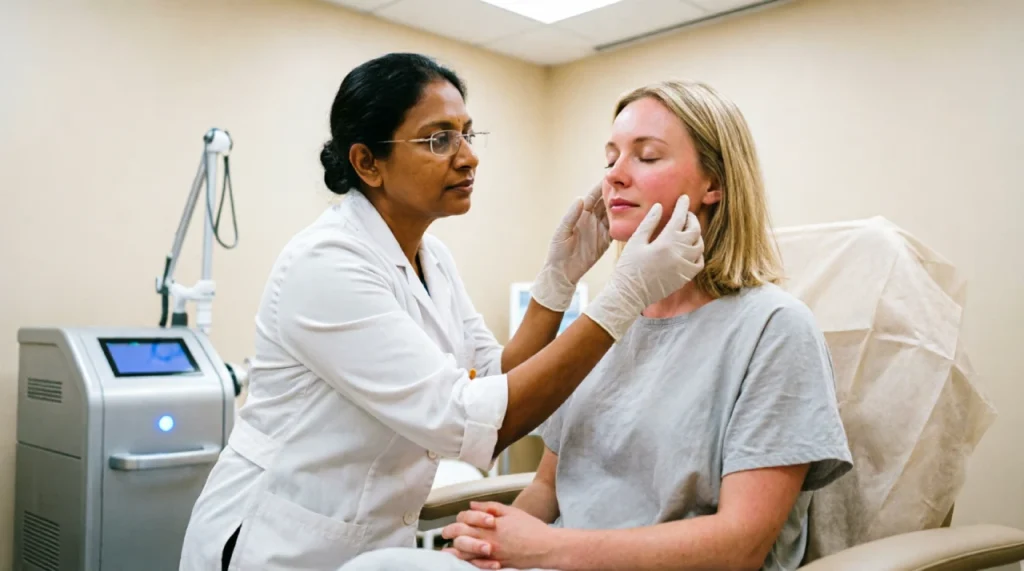
When consistent at-home habits reach their natural ceiling, modern dermatological treatments can deliver significant further improvement. These procedures are performed by board-certified professionals and supported by clinical evidence:
| Treatment | How It Works | Downtime | Primary Benefit |
|---|---|---|---|
| Fractional laser resurfacing | Micro-injuries trigger collagen remodeling | 3–7 days | Reduces wrinkles, pigmentation, and texture |
| Microneedling with PRP | Micro-channels allow platelet-rich plasma to stimulate healing | 1–3 days | Improves firmness, glow, and skin texture |
| Medium-depth chemical peel | Acid removes damaged outer layers | 5–7 days | Fades age spots and smooths fine lines |
| Botulinum toxin (Botox) | Relaxes muscles driving expression lines | None | Softens crow’s feet, forehead lines |
| Hyaluronic acid fillers | Restore lost facial volume | Minimal | Immediate lifting and contouring |
Always begin with a dermatologist consultation to discuss your specific skin type, goals, and any contraindications before booking any procedure. These treatments complement — they don’t replace — a strong at-home routine.
18. Consider At-Home Devices with Real Evidence Behind Them
A number of at-home skincare devices now have peer-reviewed research supporting their anti-aging benefits. LED light therapy masks that emit red and near-infrared wavelengths have been shown in multiple clinical studies to increase collagen density and visibly reduce wrinkles over 8–12 weeks of consistent use. Microcurrent devices deliver low-level electrical currents that tone facial muscles, producing a temporary lifting effect that compounds with regular use.
When evaluating devices, prioritize FDA-cleared options and follow the manufacturer’s protocol. LED masks are typically used 3–5 times per week for 10–20 minutes per session. Microcurrent tools require a conductive gel and consistent, ongoing use to maintain their results. These devices won’t replace in-office procedures, but used consistently, they meaningfully enhance a comprehensive anti-aging routine.
How Long Before You See Results?
This is one of the most common questions — and the honest answer is that it depends on the habit:
- Sunscreen: Protection starts immediately; reversal of existing damage takes months.
- Retinoids: Noticeable improvement in texture typically appears around weeks 8–12.
- Vitamin C serum: Brighter tone within 4–6 weeks; deeper changes take longer.
- Diet changes: Internal cellular improvement begins within weeks, but visible skin benefits usually appear after 2–3 months.
- Sleep and stress management: Improvement can appear within days of getting adequate rest.
- Professional treatments: Some (Botox, fillers) are immediate; others (laser, microneedling) take 4–6 weeks to show full results.
Consistency matters far more than intensity. Starting with two or three of these habits and maintaining them daily will outperform sporadic bursts of a complex 12-step routine.
Putting It All Together
Looking younger isn’t about any single product or procedure — it’s the compound effect of consistent, science-backed habits applied over time. Start where the evidence is strongest: daily broad-spectrum sunscreen, a retinoid in the evening, and an antioxidant-rich diet. Layer in quality sleep, stress management, and regular exercise as foundations. Then add targeted extras — collagen supplements, professional treatments, or at-home devices — based on your goals and budget.
The body’s capacity to repair and renew at the cellular level is genuinely remarkable. Science confirms it. Give your skin the right tools, stay consistent for at least three months, and the results will be visible — and lasting.
Frequently Asked Questions
At what age should I start an anti-aging skincare routine? Dermatologists recommend starting preventive care in your mid-20s to early 30s, when collagen production begins to slow. A basic routine of sunscreen, an antioxidant serum, and a moisturizer is enough at that stage. If you’re starting later in life, don’t be discouraged — the skin responds remarkably well to retinoids, barrier repair, and consistent sun protection at any age.
Do collagen supplements actually work? The clinical evidence is genuinely encouraging. Multiple trials and a 2021 meta-analysis in the journal Nutrients found that 5–10 grams of daily hydrolyzed collagen peptides improved skin hydration, elasticity, and wrinkle depth after 8–12 weeks. Results are best when collagen is combined with vitamin C-rich foods and a topical retinoid, not used in isolation.
What is the single most impactful thing I can do today to look younger? Apply a broad-spectrum SPF 30 sunscreen — and do it every single day without exception. UV exposure is the primary driver of premature aging, responsible for up to 80% of visible facial changes. Consistent sun protection allows existing damage to slowly repair while preventing new collagen breakdown from occurring.